Ana sayfa

blog Hakkında Guide Diagnosing Laptop LCD Failures With a Multimeter

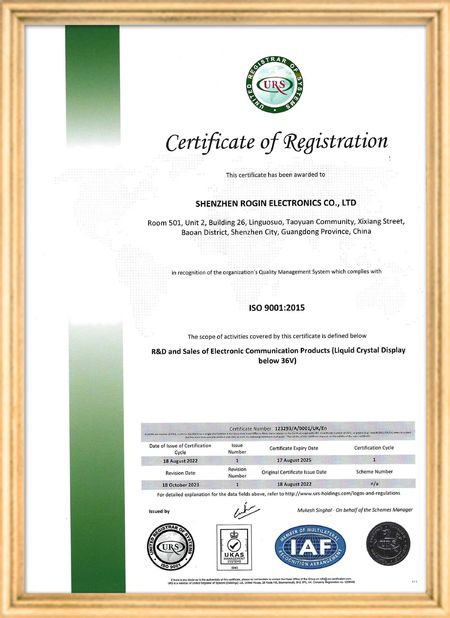
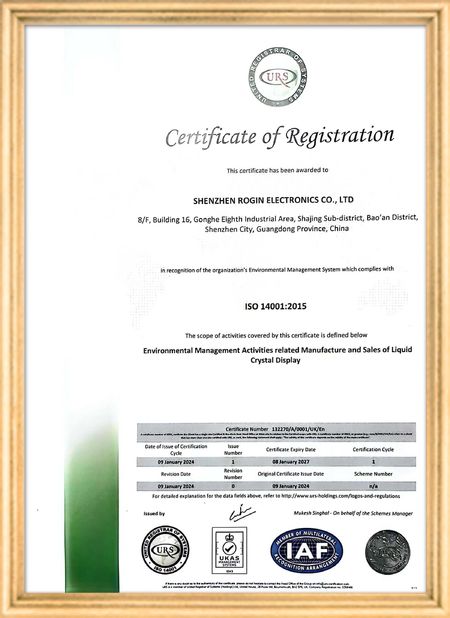
Sertifika
Çin Shenzhen Rogin Electronics Co., Ltd. Sertifikalar
Müşteri yorumları
Bu ekranlar tramvaylarda mükemmel çalışır. Yüksek parlaklık, parlama karşıtı ve uzun süreli titreşim altında bile kararlıdır. Yolcular açık görünümü severler.

—— Kasper Sørensen

Tam renkler, hızlı tepki ve normal düşük sıcaklıkta çalıştırma.

—— Nicole Becker

Kolay monte, geniş sıcaklık aralığı ve parlak ortamlarda olağanüstü görünürlük.

—— Giovanni

Bu yüksek parlaklıklı LCD ekranlar endüstriyel kontrol panellerimiz için mükemmel. Doğrudan atölyede güneş ışığı altında bile kristal gibi açık kalırlar ve herhangi bir sorun olmadan 24 saat çalışırlar..

—— Lukas Müller

Ben sohbet şimdi
şirket blog
Guide Diagnosing Laptop LCD Failures With a Multimeter
hakkında en son şirket haberleri Guide Diagnosing Laptop LCD Failures With a Multimeter

When your laptop screen suddenly goes dark, don't panic. A simple multimeter can help you quickly identify power supply issues. This guide simplifies the diagnostic process, enabling you to check your LCD screen's power supply and determine whether the problem lies with the screen itself or its supporting components.

Preparing Your Multimeter

Begin by setting your multimeter to measure DC voltage. Before testing, identify your screen's rated voltage—typically marked near the power connector or available in the device specifications. Modern laptop screens commonly operate between 3.3V to 19V, depending on the model.

Testing Procedure

With the laptop powered off, carefully connect the multimeter probes to the screen's power connector terminals:

  • Place the red probe on the positive (+) terminal
  • Place the black probe on the negative (-) terminal or ground

Power on the device and observe the multimeter reading. Compare this measured voltage with your screen's rated voltage.

Interpreting Results

If the reading shows significantly lower voltage than specified or no voltage at all, potential issues include:

  • Faulty power adapter
  • Damaged motherboard power circuits
  • Loose or damaged cable connections

Systematically check each component: try a different adapter, inspect motherboard connections, and reseat all cables. If voltage readings return to normal after any intervention, you've likely found your culprit.

When voltage measurements match specifications but the screen remains nonfunctional, the issue may involve the LCD panel itself, the backlight, or other screen components requiring further diagnosis.

Safety Considerations

Always disconnect power before handling internal components. When working with exposed connectors, avoid touching multiple contacts simultaneously to prevent short circuits. These basic diagnostic techniques provide valuable information for determining whether to repair or replace components.

Pub Zaman : 2026-05-18 00:00:00 >> blog list
İletişim bilgileri
Shenzhen Rogin Electronics Co., Ltd.

İlgili kişi: Mr. Kelvin Zhu

Tel: +86 15919061504

Sorgunuzu doğrudan bize gönderin (0 / 3000)